


GRE长阅读处理框架与技巧

 0
0 0
0根据多方反馈,目前我们对考试中阅读理解(RC)部分的了解如下:
在语文部分的第一模块和第二模块中,阅读理解题目通常约占总题数的 50%;
绝大多数考生反馈,考场上遇到的多为中等长度文章,这类文章通常由两个段落构成(即中等篇幅阅读);
部分考生表示,语文部分的两个模块中各出现了一篇长篇阅读。由此可见,GRE 并未如我们最初所想的那样取消长篇阅读;
长篇阅读依然存在,只是出现频率可能较以往有所降低。
长篇阅读文章的结构
应对 GRE 中的长篇阅读时,快速把握文章结构至关重要。这对取得高分的重要性可总结如下:
假设你通过逻辑连接词识别出文章采用了 “对比对照” 结构,其优势十分显著:文章前半部分可能会有某人通过实例和实验细节支持 X 理论,后半部分则可能有另一位学者或科学家提出新的发现,推翻此前的认知,并开辟新的研究方向。这种结构能帮助你构建文章框架,锁定主旨,明确关键细节在全文中的分布位置。因此,例如在解答推断题时,你能更轻松地提炼主旨, 因为你已对文章整体形成了更精准的理解。
一个人对文本结构的理解,以及对文本如何呈现作者观点与逻辑布局的把握,会直接影响其理解、记忆和书面表达能力。
高效阅读的学习者会利用对文本结构的认知来捕捉核心思想;当被要求复述所读内容时,他们的总结会自然贴合文本的原有结构。
文本结构本身也会助力阅读理解:若文本逻辑清晰、布局合理,读者便能更轻松地识别关键信息,包括核心观点以及观点之间的关联。
在 GRE 这类难度较高的考试中,常见的阅读文章结构主要有以下几种:
描述型(Description)
顺序型(Sequence)
问题解决型(Problem and Solution)
因果关系型(Cause and Effect)
对比对照型(Compare and Contrast)
我们可通过 “信号词” 识别上述结构。
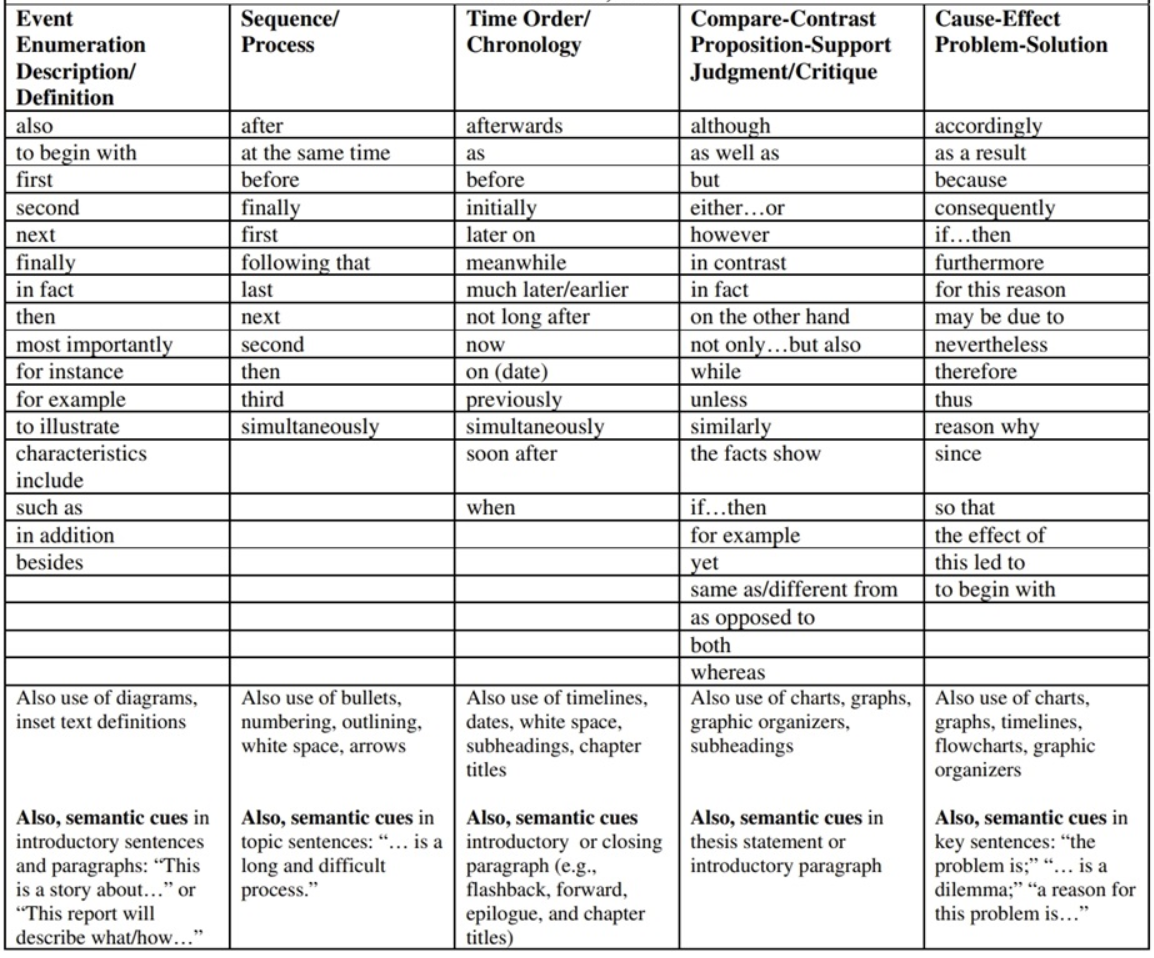
如何解决长篇阅读,拆解复杂文本
解答 GRE 高难度阅读文章并无万能公式,这完全取决于考生的个人习惯、思维方式、解题思路,以及考试时的各类临场因素。因此,任何方法都可能适用,也可能失效。
以下方法行不通:
只阅读每段的首尾句;
快速浏览文章,试图定位关键点;
先读题目再读文章,试图走捷径提速。
以下方法切实有效:
在展开具体方法前,需明确一点:GRE 设置阅读文章的核心目的是 评估考生是否能理解所读内容,并据此解答问题。若情况并非如此,或存在可走的捷径,那么 GRE 作为一项针对考生的标准化考试便失去了存在的意义…… 整个考试也将变得毫无价值!
通读全文:这是我能给出的最佳策略。有些考生认为提前通读全文会浪费时间,但实际上他们反而能节省时间, 因为当你理解了文章,在脑海中构建起清晰的框架(明确细节位置但不过度深究),并掌握主旨后,就能直接快速答题,仿佛答案一目了然。
阅读过程中,重点关注信号词和文章逻辑转折:不断自问:文章为何要提及这些内容?这个句子的作用是什么?
需谨记,长篇阅读的结构通常具有规律性,因此我们可总结出以下框架:
引言段(Intro Paragraph)—— 总结(至关重要)
主体段(Body Paragraphs):
主题句(Topic sentence)—— (至关重要)
支持主题句的细节信息(Details that support the topic sentence)
接下来,我们结合一篇实际文章,即时演示如何运用上述方法解题:
A "scientistic" view of language was dominant among philosophers and linguists who affected to develop a scientific analysis of human thought and behavior in the early part of this century. Under the force of this view, it was perhaps inevitable that the art of rhetoric should pass from the status of being regarded as of questionable worth (because although it might be both a source of pleasure and a means to urge people to right action, it might also be a means to distort truth and a source of misguided action) to the status of being wholly condemned. If people are regarded only as machines guided by logic, as they were by these "scientistic" thinkers, rhetoric is likely to be held in low regard; for the most obvious truth about rhetoric is that it speaks to the whole person. It presents its arguments first to the person as a rational being, because persuasive discourse, if honestly conceived, always has a basis in reasoning. Logical argument is the plot, as it were, of any speech or essay that is respectfully intended to persuade people. Yet it is a characterizing feature of rhetoric that it goes beyond this and appeals to the parts of our nature that are involved in feeling, desiring, acting, and suffering. It recalls relevant instances of the emotional reactions of people to circumstances-real or fictional-that are similar to our own circumstances. Such is the purpose of both historical accounts and fables in persuasive discourse: they indicate literally or symbolically how people may react emotionally, with hope or fear, to particular circumstances. A speech attempting to persuade people can achieve little unless it takes into account the aspect of their being related to such hopes and fears.
Rhetoric, then, is addressed to human beings living at particular times and in particular places. From the point of view of rhetoric, we are not merely logical thinking machines, creatures abstracted from time and space. The study of rhetoric should therefore be considered the most humanistic of the humanities, since rhetoric is not directed only to our rational selves. It takes into account what the "scientistic" view leaves out.If it is a weakness to harbor feelings, then rhetoric may be thought of as dealing in weakness. But those who reject the idea of rhetoric because they believe it deals in lies and who at the same time hope to move people to action, must either be liars themselves or be very naive; pure logic has never been a motivating force unless it has been subordinated to human purposes, feelings, and desires, and thereby ceased to be pure logic.
最佳策略是先阅读文章。当然,这完全取决于你的英语水平 ,要记住:这些官方文章均达到学术级别,因此切勿将其等同于杂货店的宣传单页。这些都是严谨的学术内容。
阅读并非只为记住一连串事实,而是带着明确目标去读。我最多会重读某个句子,以明确其作用或是否包含关键信息。
时间分配建议:长篇文章的阅读时间应控制在 4-7 分钟,每道题约 1 分钟。尽管这是平均时长标准,但我会采取更保守的策略:尽量将阅读时间压缩到较短区间,即 4 分钟,每道题再分配 1 分钟。以这篇配套 7 道题的文章为例,总时长应控制在 11-12 分钟。若为实际考试中的阅读理解文章,总时长则需控制在 8 分钟。
下面我将逐步解析文章的核心内容:
文章原文及核心解析
A "scientistic" view of language was dominant among philosophers and linguists who helped to develop a scientific analysis of human thought and behavior in the early part of this century.
简而言之,这些学者在分析人类行为、思维和思想时,最推崇的是科学研究方法。
Under the force of this view, it was perhaps inevitable that the art of rhetoric should pass from the status of being regarded as of questionable worth (because although it might be both a source of pleasure and a means to urge people to right action, it might also be a means to distort the truth and a source of misguided action) to the status of being wholly condemned.
此处的核心焦点是 “修辞学”(无需纠结其具体定义:了解最好,不了解也无妨,只需牢记这一核心概念即可)。
秉持科学主义的学者以科学方法分析修辞学,其结果是:修辞学从 “价值存疑”(即既有优势也有弊端,处于两难境地)的状态,彻底沦为 “完全遭谴责” 的负面事物。括号内的内容是关键:一方面,修辞学能促使人们行动,并非全然无益;但另一方面,它可能扭曲真相,存在弊端。
If people are regarded only as machines guided by logic, as they were by these "scientistic" thinkers, rhetoric is likely to be held in low regard; for the most obvious truth about rhetoric is that it speaks to the whole person.
这句话稍难理解:若仅用逻辑或科学方法看待修辞学,我们将无法全面理解它,即只能看到片面信息,无法洞悉人的完整思想。我们需要从更全面的角度去看待。
It presents its arguments first to the person as a rational being, because persuasive discourse, if honestly conceived, always has a basis in reasoning.
关键在于明确句首代词 “it” 的指代对象 , 此处指代 “修辞学”。这句话的核心是:人是理性的存在,而修辞学的劝说过程需以理性推理为根基。
Logical argument is the plot, as it were, of any speech or essay that is respectfully intended to persuade people. Yet it is a characterizing feature of rhetoric that it goes beyond this and appeals to the parts of our nature that are involved in feeling, desiring, acting, and suffering.
逻辑论证是劝说的基础,但修辞学在此之上更进一步,涵盖了人的天性层面(情感、欲望等)。
注意:这部分属于推断类信息,虽重要但无需过度停留,理解核心即可快速推进。
It recalls relevant instances of the emotional reactions of people to circumstances-real or fictional-that are similar to our own circumstances. Such is the purpose of both historical accounts and fables in persuasive discourse: they indicate literally or symbolically how people may react emotionally, with hope or fear, to particular circumstances. A speech attempting to persuade people can achieve little unless it takes into account the aspect of their being related to such hopes and fears.
修辞学的重要性在于,它展现了人的另一重天性 —— 与情感和生活情境相关的部分。仅从逻辑角度出发的演讲,注定会彻底失败。
Rhetoric, then, is addressed to human beings living at particular times and in particular places. From the point of view of rhetoric, we are not merely logical thinking machines, creatures abstracted from time and space.
第二段进一步深入阐释修辞学的本质:我们并非逻辑机器,而是真实的人类(受时空环境影响)。核心观点简洁明了。
The study of rhetoric should therefore be considered the most humanistic of the humanities, since rhetoric is not directed only to our rational selves. It takes into account what the "scientistic" view leaves out.If it is a weakness to harbor feelings, then rhetoric may be thought of as dealing in weakness.
修辞学研究至关重要,因为它是人文科学中最具人文精神的领域。它不仅包含逻辑和科学层面,还涵盖了人的本质层面 —— 尤其是人类的情感弱点。
But those who reject the idea of rhetoric because they believe it deals in lies and who at the same time hope to move people to action, must either be liars themselves or be very naive; pure logic has never been a motivating force unless it has been subordinated to human purposes, feelings, and desires, and thereby ceased to be pure logic.
这部分极为重要:那些将修辞学斥为 “谎言工具”,却又希望借助劝说促使他人行动(这正是修辞学的核心功能,而科学主义方法并不具备)的人,要么是骗子,要么是天真无知。纯逻辑是枯燥的,如同沙漠一般,因为它无视人的情感和感受。核心总结:思维和逻辑固然关键,但情感与感受同样重要(即 “理性与感性并重”)。
1、According to the passage, to reject rhetoric and still hope to persuade people is
A an aim of most speakers and writers
B an indication either of dishonesty or of credulity
C a way of displaying distrust of the audience's motives
D a characteristic of most humanistic discourse
E a way of avoiding excessively abstract reasoning
根据文章核心观点:认为可无视修辞学却能促使他人行动的人,要么是骗子,要么天真。选项 B(要么不诚实,要么轻信)可在 3 秒内锁定,答案一目了然。
2、It can be inferred from the passage that in the late nineteenth century rhetoric was regarded as
A the only necessary element of persuasive discourse
B a dubious art in at least two ways
C an outmoded and tedious amplification of logic
D an open offense to the rational mind
E the most important of the humanistic studies
根据前文解析,修辞学曾处于 “价值存疑” 的两难境地(既有优势也有弊端),选项 B(至少在两方面存在争议的技艺)符合题意。
3、The passage suggests that the disparagement of rhetoric by some people can be traced to their
A reaction against science
B lack of training in logic
C desire to persuade people as completely as possible
D misunderstanding of the use of the term "scientistic"
E view of human motivation
“disparagement” 意为 “贬低”(即便不认识该词,也可根据语境判断为负面态度)。部分人贬低修辞学的原因是他们仅关注逻辑,忽视人的情感层面,选项 E(对人类动机的看法)符合核心逻辑。
4、The passage suggests that a speech that attempts to persuade people to act is likely to fail if it does NOT
A distort the truth a little to make it more acceptable to the audience
B appeal to the self-interest as well as the humanitarianism of the audience
C ddress listeners' emotions as well as their intellects
D concede the logic of other points of view
E show how an immediately desirable action is consistent with timeless principles
文章明确指出:演讲若不考虑人们的情感层面,终将收效甚微。选项 C(既不诉诸听众的情感,也不诉诸其理智)符合题意(需同时兼顾情感与理智,缺一不可)。
5、The passage suggests that to consider people as "thinking machines" is to consider them as
A beings separated from a historical context
B replaceable parts of a larger social machine
C more complex than other animals
D liars rather than honest people
E infallible in their reasoning
文章提到 “从修辞学的视角来看,我们并非脱离时空的纯逻辑思考机器”,反向推断:将人类视为 “思考机器”,即认为他们脱离时空背景(历史语境),选项 A 符合题意。
6、Which of the following persuasive devices is NOT used in the passage?
A A sample of an actual speech delivered by an orator
B The contrast of different points of view
C The repetition of key ideas and expressions
D An analogy that seeks to explain logical argument
E Evaluative or judgmental words
逐一分析选项:文章运用了不同观点的对比(B)、核心观点的重复(C)、解释逻辑论证的类比(D,如将逻辑论证比作 “核心框架”)、评价性词汇(E,如 “价值存疑”“完全遭谴责”),但未提及实际演讲案例(A)。
7、Which of the following best states the author's main point about logical argument?
A It is a sterile, abstract discipline, of little use in real life.
B It is an essential element of persuasive discourse, but only one such element.
C It is an important means of persuading people to act against their desires.
D It is the lowest order of discourse because it is the least imaginative.
E It is essential to persuasive discourse because it deals with universal truths.
作者的核心观点是 “理性与感性并重”:逻辑论证是劝说的必要元素,但并非唯一元素,还需结合情感等层面。选项 B 符合题意。


评论 (0)
暂无评论,快来发表第一条评论吧!